

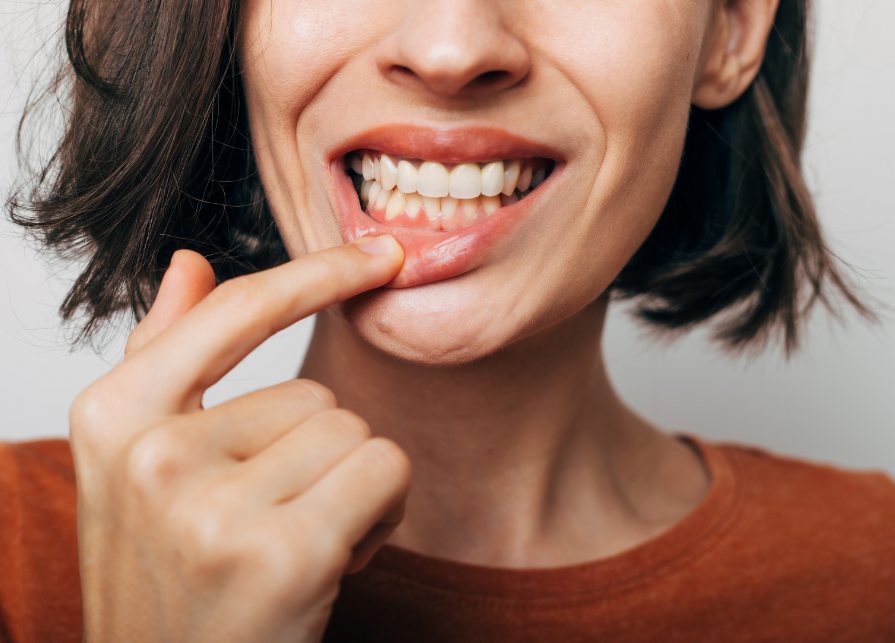
Seeing blood in the sink when you brush or floss can be alarming, but it’s also one of the most common early signs of gingivitis. The good news is that gingivitis is reversible, especially when it’s caught early. With guidance from your dentist and consistent at-home care, bleeding gums can improve faster than many people expect.
Why Gums Start Bleeding in the First Place
Healthy gums don’t bleed easily. When plaque builds up along the gumline, it irritates the soft tissue and triggers inflammation. This inflammation makes gums tender, swollen, and more likely to bleed when brushing or flossing. Gingivitis is the earliest stage of gum disease, and while it’s common, it’s also a warning sign that your oral hygiene routine needs attention.
How Long Does It Take for Bleeding Gums to Heal?
Once you commit to proper at-home care, many people notice improvement in their gums within one to two weeks. Bleeding often decreases first, followed by reduced swelling and tenderness. For mild gingivitis, gums can return to a healthier state in about two to three weeks.
However, healing time can vary depending on how advanced the inflammation is and how consistently oral care habits are followed. If bleeding persists beyond a few weeks, it may indicate that the gum disease is more advanced and requires professional treatment.
Daily Habits That Help Stop Bleeding Gums
Consistency is key when it comes to healing gingivitis. Brushing twice a day with a soft-bristled toothbrush helps remove plaque without irritating sensitive gums. Paying close attention to the gumline is especially important, as this is where bacteria tend to accumulate.
Flossing daily is another essential step, even if your gums bleed at first. It may feel counterintuitive, but gentle flossing helps remove plaque between teeth and actually promotes healing over time. Skipping flossing allows inflammation to persist.
Using an antibacterial or therapeutic toothpaste can also support gum health by reducing bacteria that contribute to irritation. Rinsing with an antimicrobial mouthwash may help calm inflammation and keep bacteria under control.
Why Gentle Care Matters During Healing
When gums are inflamed, it’s tempting to brush harder in hopes of cleaning better. Unfortunately, aggressive brushing can worsen irritation and slow healing. Gentle, thorough cleaning is far more effective than pressure. Letting your gums heal means protecting them while still keeping them clean.
Staying hydrated and avoiding tobacco products can also support faster healing. Smoking and vaping restrict blood flow to the gums, making it harder for tissues to repair themselves.
When to Follow Up With Your Dentist
If your gums continue bleeding after several weeks of consistent care, or if you notice symptoms like persistent bad breath or gum recession, it’s time to follow up with your dentist. These signs may indicate that gingivitis has progressed and needs professional periodontal care to fully resolve.
With early action and good habits, bleeding gums don’t have to become a long-term issue.
About the Practice
Lifetime Dental provides comprehensive preventive and periodontal care with a focus on early intervention and patient education. Dr. Michitti and our experienced dental team offer personalized treatment plans to address gum disease at every stage, helping patients restore and maintain healthy gums. We prioritize long-term oral health through thorough evaluations, professional therapy, and guidance on effective at-home care.
Call us at (413) 786-4400 or request an appointment online.