

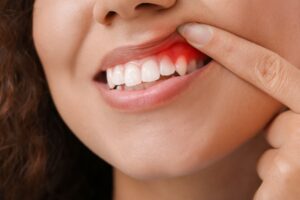
Gum disease is often thought of as an oral health issue, but its effects can extend far beyond the gums. One lesser-known consequence is how gum disease can affect facial shape and appearance over time. When left untreated, periodontal disease can lead to structural changes in the mouth and jaw that subtly, and sometimes dramatically, alter the way your face looks.
How Gum Disease Progresses
Gum disease begins as gingivitis, a mild inflammation of the gums caused by plaque buildup. At this stage, symptoms may include redness, swelling, and bleeding. If not treated, gingivitis can progress to periodontitis, a more advanced form of gum disease. Periodontitis damages the gums, connective tissue, and jawbone that support your teeth, leading to more serious and long-lasting effects.
Bone Loss and Facial Structure
One of the most significant ways gum disease affects facial shape is through bone loss in the jaw. The jawbone relies on stimulation from healthy teeth to maintain its density. When gum disease causes bone to deteriorate, the jaw begins to shrink and weaken. This loss of bone support can cause the lower face to collapse inward, giving the appearance of a shorter or sunken facial profile.
Tooth Loss and Changes in Appearance
As gum disease progresses, teeth may become loose and eventually fall out or require extraction. Missing teeth further accelerate bone loss and contribute to facial changes. Without teeth to support the lips and cheeks, the face may appear hollow, especially around the mouth. Wrinkles can become more pronounced, and the lips may thin or fold inward, making a person look older than they are.
Gum Recession and Smile Aesthetics
Gum disease often causes gum recession, exposing more of the tooth or its root. This can make teeth appear longer and uneven, altering the balance of the smile. Receding gums can also create dark spaces between teeth, known as “black triangles,” which can change the overall appearance of the mouth and lower face.
Impact on Muscles and Bite
Advanced gum disease can affect how your teeth come together when you bite. Changes in bite alignment can strain facial muscles and the jaw joint, potentially leading to discomfort and changes in muscle tone. Over time, this can subtly influence facial symmetry and expression.
Can Facial Changes Be Prevented or Reversed?
Early treatment of gum disease can prevent bone and tissue loss, preserving facial structure. Treatments may include deep cleanings, periodontal therapy, and improved oral hygiene. In more advanced cases, dental implants or other restorations can help restore lost support and improve facial appearance.
Gum disease doesn’t just threaten your smile; it can change the shape of your face. By addressing gum disease early and maintaining regular dental care, you can protect not only your oral health but also your facial structure and overall appearance.
About the Author
Dr. Michitti earned his dental degree from The Ohio State University College of Dentistry. He has never stopped learning past his formal education, earning the distinction of a “Top 1% Dentist” for achieving Mastership status in the Academy of General Dentistry. He has also studied at the prestigious Dawson Academy. By completing more than 1,000 hours of continuing education, Dr. Michitti has built exceptional skills in several areas. If you’re in need of gum disease therapy, we can help! Schedule an appointment online or call (413) 786-4400.